Quick Answer
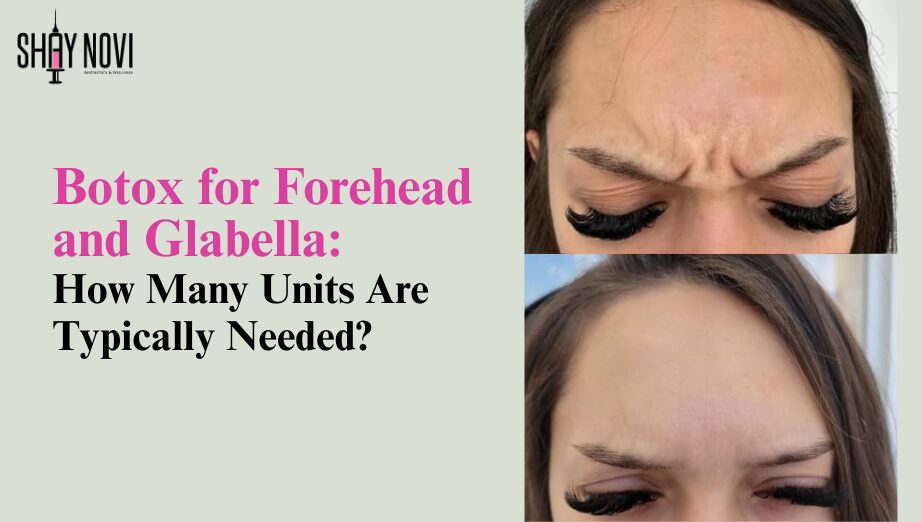
For botox the FDA-recommended dose is 20 Units for glabellar (frown) lines and 40 Units total when forehead lines are treated with glabellar lines. This combined treatment uses 20 Units across five forehead sites and 20 Units across five glabellar sites. The treatment plan may vary based on muscle activity, facial anatomy, and individual goals.
Introduction
Forehead lines and the vertical lines between your eyebrows can become more noticeable whenever you raise your brows, concentrate, or frown. If you are considering Botox for both areas, one of the first questions you may have is: How many units will I actually need?
The forehead and glabella involve different muscles, so Botox dosing is planned with both areas in mind. The forehead involves the frontalis muscle, while glabellar lines are associated with muscles that create the frowning movement between the brows. How these muscles work together can influence treatment planning.
Understanding the typical dosing for each area can make the numbers easier to understand before your appointment. In this guide, we explain Botox units for the forehead and glabella, how the two areas differ, what can influence treatment planning, and what to expect from a combined approach.
What Is a Botox Unit and Why Does the Number Matter?
A Botox unit is a standardized measurement of the biological activity of BOTOX® Cosmetic. It is not simply a measurement of how much liquid is placed into the syringe. Units allow injectors to follow established dosing guidance when treating specific facial muscles.
The number of units matters because Botox temporarily reduces activity in the targeted muscles. For forehead and glabellar treatment, both the amount used and where it is placed are important. This is why treatment planning involves more than choosing a number of units.
How Many Botox Units Are Typically Used for the Forehead and Glabella?
Botox has established FDA-recommended dosing for treating glabellar lines and forehead lines when treated together. Instead of using the same approach for every area, the recommended dose is distributed across specific injection sites based on the muscles being targeted.
Here is a simple breakdown:
| Treatment Area | FDA-Recommended Dose | Injection Sites |
| Glabellar (frown) lines | 20 Units | 5 sites |
| Forehead lines | 20 Units | 5 sites |
| Forehead + glabellar lines | 40 Units total | 10 sites total |
These numbers provide an important reference for Botox. During a consultation, our injector can assess muscle activity and the relationship between the forehead and brow area when planning treatment.
Why Are the Forehead and Glabella Often Treated Together?
The forehead and glabella are separate areas, but the muscles involved influence eyebrow movement in different directions. The frontalis muscle of the forehead helps elevate the eyebrows, while muscles in the glabellar region contribute to pulling the brows inward and downward.
Because these muscle groups interact, treating the forehead requires attention to the surrounding brow and glabellar area. Looking at both regions can help the injector understand how your eyebrows move during expressions and plan injections accordingly.
What Determines Your Botox Treatment Plan?
A Botox treatment plan involves more than looking at how deep your lines appear. Your injector evaluates facial movement and muscle activity before deciding how treatment should be approached.
Important considerations include:
- Forehead size: The dimensions of the forehead can affect how injection sites are planned.
- Muscle activity: The strength and movement of the frontalis and glabellar muscles are assessed during facial expressions.
- Line pattern: The location and appearance of forehead and frown lines help identify the areas requiring attention.
- Eyebrow position: Brow height and movement are important when evaluating how the forehead and glabella work together.
- Previous treatments: Your response to earlier Botox appointments may provide useful information for future planning.
- Treatment goals: Your injector can discuss how much softening or facial movement you would prefer after treatment.
An in-person assessment helps bring these factors together before injections are performed.
Can You Get Too Much or Too Little Botox in These Areas?
The amount of Botox used can influence how the treated muscles respond. Too little may leave more movement or visible expression lines than expected, while using more than needed may reduce movement more than intended.
The forehead requires particular attention because the frontalis helps elevate the eyebrows. Appropriate dosing and injection placement are therefore important when treating forehead lines and the nearby glabellar region.
Rather than focusing on getting more or fewer units, the goal should be an appropriately planned treatment based on the areas being treated.
How Does Botox Dosing Affect Forehead and Glabellar Results?
The dose used in each area can influence the degree of line softening and facial expression you notice after treatment. Because the forehead and glabella contribute differently to eyebrow movement, the injector considers the effect of treating each region.
- Forehead movement: Treatment can reduce activity responsible for horizontal forehead lines.
- Frown movement: Glabellar injections target the muscles involved in creating lines between the eyebrows.
- Line softening: Reduced muscle activity can make dynamic lines less noticeable.
- Eyebrow movement: Injection location and treatment planning can influence how the brow area moves after treatment.
How Long Do Forehead and Glabellar Botox Results Last?
The effects of botox are temporary. For glabellar lines, FDA prescribing information describes a duration of effect of approximately 3 to 4 months. How long an individual notices results can vary.
As the effect gradually wears off, activity returns to the treated muscles and expression lines may become noticeable again. Follow-up appointments allow your injector to assess your response and discuss when another treatment may be appropriate.
Why Patients Choose Shay Novi for Forehead and Glabellar Botox
Patients choose Shay Novi for Botox treatment because the consultation looks beyond individual lines and considers how the upper face moves as a whole. This helps create a treatment plan that addresses both forehead and frown-line concerns.
- Detailed consultation: Shay discusses the areas that concern you and what you hope to achieve before treatment.
- Upper-face assessment: Forehead, glabellar, and eyebrow movement are evaluated together rather than viewing each line in isolation.
- Thoughtful treatment planning: Injection areas are selected based on the muscles involved and your treatment goals.
- Clear aftercare guidance: Shay explains what to expect following your appointment and provides instructions for the post-treatment period.
Final Thoughts on Botox Units for Forehead and Glabella
Choosing Botox for forehead and glabellar lines is not simply about reaching a certain number of units. A well-planned treatment should address the areas that concern you while considering how your upper face looks and moves during everyday expressions. Knowing what each treatment area involves can also help you ask better questions and feel more prepared before your appointment.
At Shay Novi Aesthetics & Wellness®, your consultation provides time to discuss your concerns, understand the proposed approach, and learn what you can reasonably expect before moving forward. Clear communication helps ensure that you understand the treatment rather than focusing only on a specific dose.
Ready to learn more about Botox for forehead and frown lines? Schedule a consultation with Shay to discuss your concerns and treatment options.
Frequently Asked Questions
1. Are forehead Botox and glabella Botox the same treatment?
No. They target different muscle groups and types of lines. Forehead Botox addresses horizontal lines associated with the frontalis muscle, while glabellar Botox targets the muscles responsible for vertical frown lines between the eyebrows.
2. Why is the glabella considered when treating forehead lines?
The muscles of the forehead and glabellar area affect eyebrow movement differently. Evaluating both areas helps the injector understand how the brows move during facial expressions and appropriately plan the dose and injection locations.
3. Will I need the same Botox dose at every appointment?
Treatment planning may change depending on the areas being treated, your response to previous injections, muscle activity, and current concerns. Your injector can reassess your upper-face movement at each appointment before planning treatment.
4. How long does Botox last in the forehead and glabella?
Botox effects are temporary. FDA prescribing information describes an approximate 3-to-4-month duration for glabellar lines, although individual experiences can vary. As the effects wear off, muscle activity and expression-related lines gradually return.